Description
 A Ground or Gesso is the foundation of an oil painting. The choice we make determines in large part how painting will feel, mark-making possibilities, and how our colours will look when our painting is dry.
An acrylic gesso made from synthetic polymer imparts a plasticky texture. An absorbent, thirsty clayboard can cause sunken, desaturated color. A ground with tooth helps grab paint off the brush, meanwhile a smooth surface lends to fine detail linework.
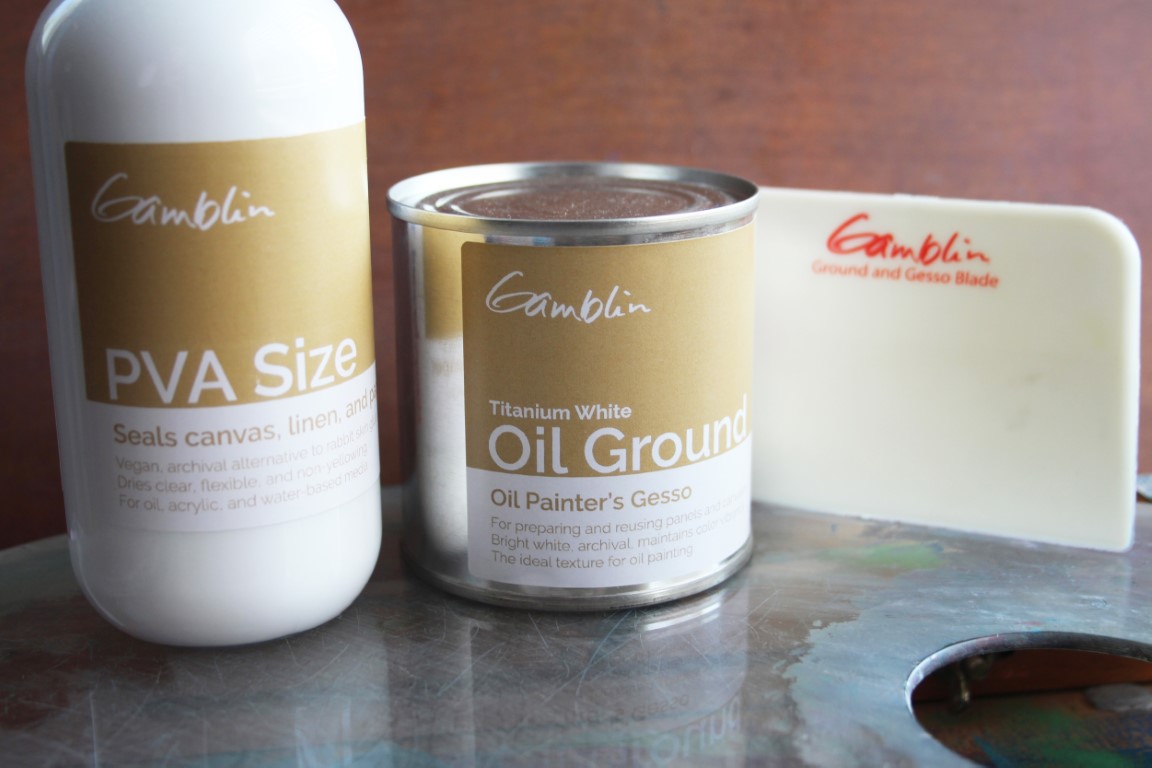
Gamblin PVA Size seals the porous fibres of fabric or paper and isolates those fibres from your Gesso, Ground and oil colours. This protects the fibres from acid, making the surface archival. Only fabric and paper supports need sizing.
Panels can withstand the acid in oil and may be prepared with just Gamblin Ground. If one wanted to prepare a panel substrate more and reduce absorbency before painting or priming, we suggest using a diluted alkyd medium or Gamblin 3-in-1.
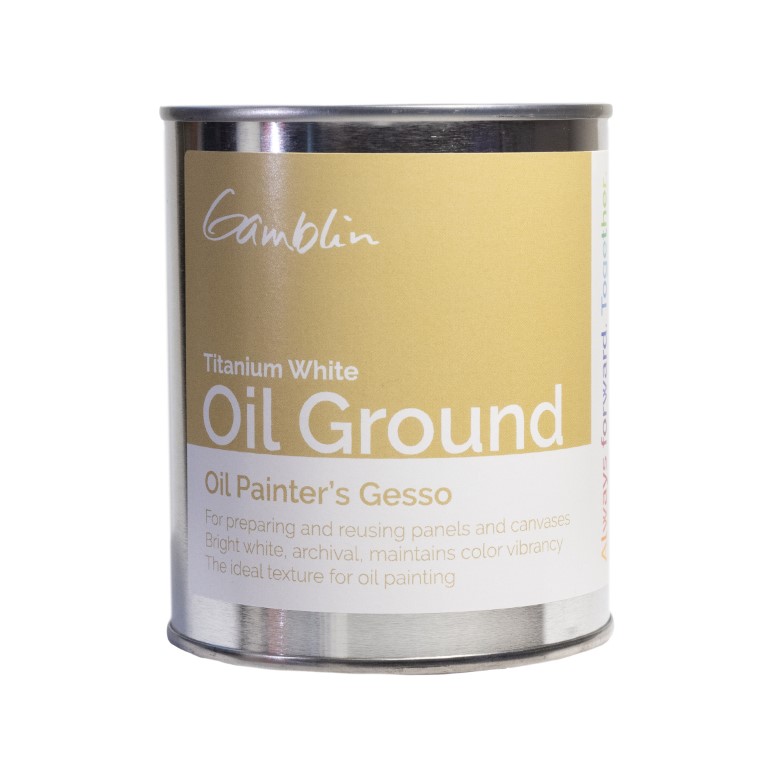
Gamblin Oil Painting Ground makes a strong, bright, non-absorbent foundation for oil paintings. Gamblin Ground is formulated from alkyd resin, titanium dioxide, Gamsol and calcium carbonate – titanium dioxide gives opacity, while calcium carbonate gives tooth for strong adhesion.
Gamblin Ground makes a brighter and less-absorbent ground layer compared to acrylic gesso primers, meaning that the oil paint layers on top will better retain their colour saturation. The lower absorbency also allows for reductive painting techniques when painters need to wipe back into the white of their Ground.
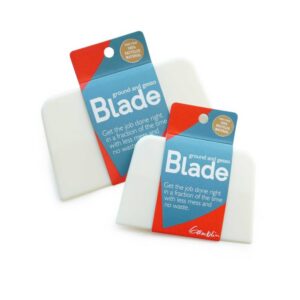
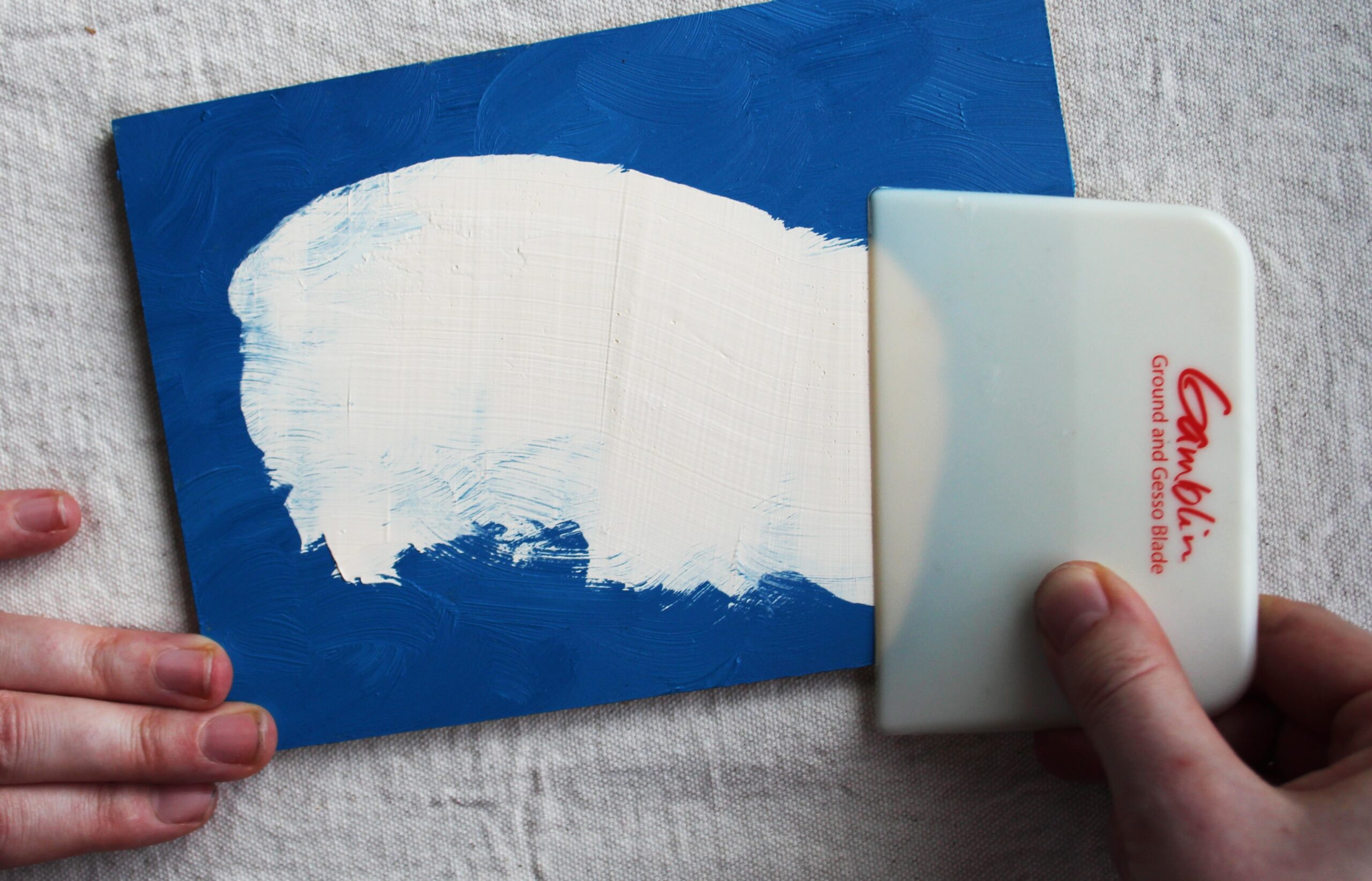
Due to a higher pigment load, Gamblin Ground is thicker than acrylic gesso, and requires less coats and different application techniques. Oil Ground should be applied in 1-2 thin applications. For a perfect, even application from edge-to-edge check out our Ground and Gesso Blade
Gamblin Ground may be used to cover an old oil and acrylic paintings. This is an economical way to reuse your canvases or panels when the painting doesn’t turn out the way you hoped.
Gamblin Ground may be applied directly over an acrylic primed canvas or panel to provide a bright white surface, reduce absorbency and improve colour saturation.
Oil colours and dry pigment may be mixed into Gamblin Ground to create a tinted ground. There are numerous expressions out there about “blank, white canvases”. Unfortunately, the phrase doesn’t actually apply to all forms painting. Starting with a tinted ground can help you explore more possibilities in your work.
Clean Up for Oil Ground
Plan on priming a bunch of panels and/or canvases in the same session. Gamsol is recommended for cleaning your tools after using Oil Ground.
A 236ml can of Oil Ground will cover 12 square feet of canvas with an application of two thin coats.